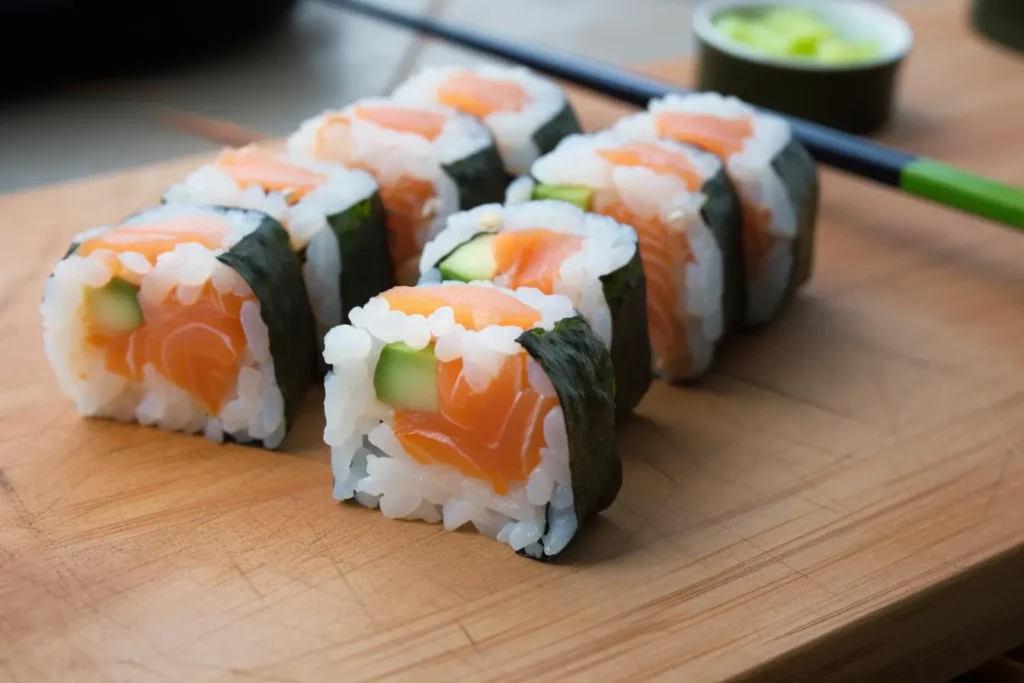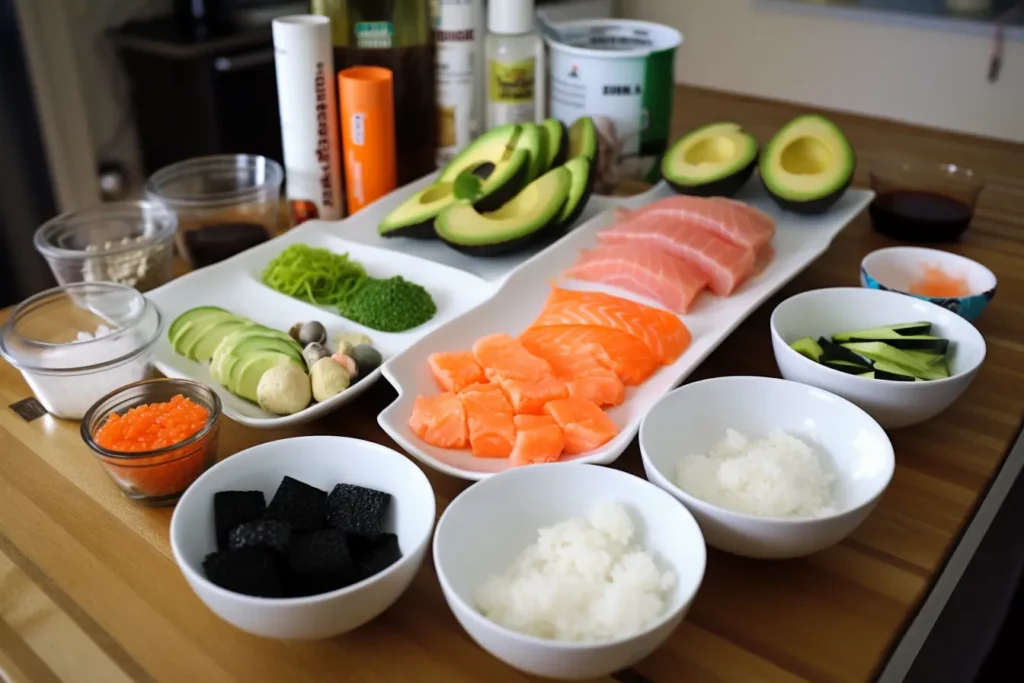
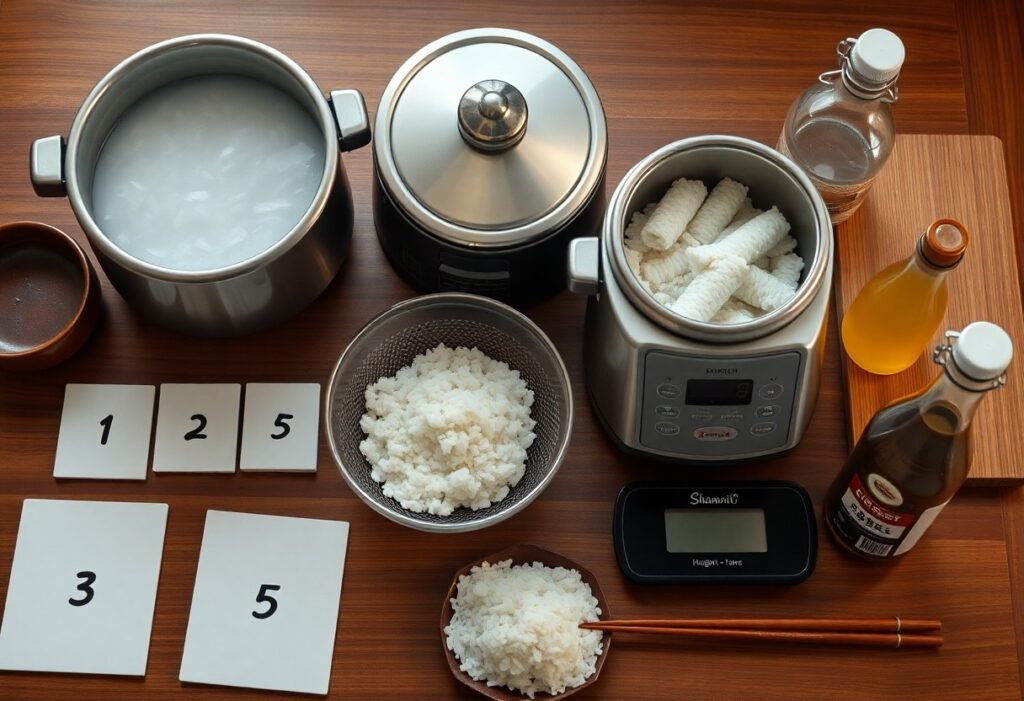
As a sushi maker, you need to choose round-grain rice , dose vinegar, sugar, and salt precisely, and cool rice properly; incorrect storage can be hazardous to health. These instructions will give you clear, practical steps for perfect taste.
Key Takeaways:
- The right type of rice: Use short-grain japonica sushi rice and store fresh/luchtproof for optimal stickiness.
- Essential preparation steps: Wash the rice thoroughly, soak for 30-60 minutes, exact water ratio and gently steam/cook for the right texture.
- Seasoning and handling: Season with rice vinegar, sugar and salt, gently fan and let cool at body temperature; Do not press too hard.
Choosing the right grain
Before you buy, orient yourself to the origin: Japanese short-grain varieties or special sushi mixes provide the desired texture. Check the packaging date and pay attention to information on the thickness and degree of polishing, as these determine stickiness and taste.
Also, pay attention to storage conditions; Rice quickly absorbs foreign flavors. Avoid mass-produced goods with long storage times and rely on fresh, well-packaged grains for consistent results when cooking.
Round grain as the only true basis
The choice of round-grain rice is essential: it has a higher concentration of amylopectin, which provides the typical stickiness without becoming mushy. This is the basis for dimensionally stable nigiri and fixed castors.
The grain size plays a role in the absorbency of the sushi-vinegar mixture; you can only achieve an even aroma with real short-grain varieties such as Koshihikari or other regional top rice varieties.
Quality beyond mass-produced goods
Choose varieties with traceable origin and no foreign substances; Organic or direct imports often offer better consistency and less coating powder. You benefit from a more intense, clean aroma and stable cooking performance.
In particular, it is worth taking a look at the colour and smell: glassy, fragrance-neutral grains indicate good workmanship, while dull or musty notes are a warning signal.
When buying, check small-pored packaging and clear retailer details; a short test cooking test shows you how the grain behaves – so you avoid unpleasant surprises during preparation.
The ritual of washing
When washing, you remove the superficial starch that otherwise creates excess stickiness during cooking; detailed information can be found in The Perfect Sushi Rice – Henssler Shop.
Make sure to work gently and change the water several times, as rubbing too coarsely can damage grains and ruin the texture.
The War on Surplus Strength
You can achieve control by washing with circular motions until the cloudiness decreases; look for clear clarity before stopping.
Clear water as a sign of purity
Clear water will show you that most of the starch particles are removed and you’ll get an even, shiny grain; you should not underestimate this goal.
In addition, always use cold water and let the rice drain only briefly; this prevents the grains from absorbing too much moisture and losing their structure.
Mastering the heat
Control is the be-all and end-all: You first bring the rice to a vigorous boil and then immediately reduce the heat so that the grains swell evenly. Caution: Burning occurs quickly if the temperature is too high; pay attention to gentle heat.
Be careful to avoid heat increases, as sudden fluctuations change moisture absorption. Constant low heat will give you an even texture, while beware: too much heat can harden the surface.
Precision in a closed pot
In the closed pot, the rice cooks evenly due to the stored heat; you should not lift the lid during this time. Lid closed ensures constant steam and avoids uneven grain.
After boiling, immediately set the flame to very low so that only a gentle simmer remains; you don’t stir so that the grains keep their shape.
The sacred respite after cooking
After turning off the heat, let the rice rest in the closed pot for at least ten minutes so that the residual heat completely absorbs the starch granules; this is crucial for texture and avoids danger: sticky, mushy grains.
Wait for the resting time without lifting the lid and wrap the pot with a cloth if necessary to prevent heat loss; this is how you achieve the perfect consistency.
You should first carefully loosen the rice with a rice spoon or spatula from bottom to top and not crush it; so you stay more upright with every bite and serve optimal, airy rice.
The Alchemy of Spice
Furthermore, you should mix the rice with the seasoning mixture immediately after cooking so that the grains absorb the flavors; pour the vinegar-sugar-salt mixture evenly and use a wooden spatula, because no rough stirring preserves the texture.
In doing so, you fan the rice while mixing to achieve rapid cooling and a shiny surface ; this way, the seasoning binds evenly without making the rice mushy.
The balance of vinegar and sugar
Precise dosing is crucial: adjust the ratio of rice vinegar to sugar according to the amount of rice and taste before blending so that the balance between acidity and sweetness is right.
Make sure the seasoning solution is lukewarm so that the sugar and salt dissolve completely; Mixing that is too hot or too cold can lead to uneven flavor or damaged grains.
Careful pruning instead of coarse stirring
Gently guide the rice scoop through the rice in wave movements, a precise cutting movement that allows air and prevents the grains from crushing.
Avoid stirring or pounding vigorously, otherwise the rice will quickly become mushy and lose the desired consistency, which will make it much more difficult to process later.
Tip: use your fine motor skills when cutting, tilt the bowl slightly and fan the rice while you do it, then cover it with a damp cloth for steaming and work quickly so that you don’t overstir the rice.
The temperature of the craft
As you shape the rice, you control not only flavor but also texture; the ideal temperature determines stickiness and gloss. You’ll work so that the rice stays warm but not hot, and use a fan or air process to achieve even cooling.
Be sure to constantly check the temperature with your hands and cool faster if necessary, because too much cold destroys the bond, while too much heat causes the grains to break down.
Why cold destroys rice
Because you immediately observe loss of stickiness and shine with cold rice, you avoid direct exposure to cold; Danger: Refrigerator or ice makes the grains firm and dries the surface. You will lose the necessary grip for nigiri and rollers.
Working with the wooden hangiri
When using the Hangiri, you take advantage of its ability to absorb excess moisture and distribute the rice evenly; Wood promotes gentle cooling, allows you to quickly rub in the sushi vinegar and prevents condensation.
In addition, you should water the hangiri before use, dry it thoroughly after use and air it out to avoid mold and maintain the positive effect on aroma and texture in the long term.
Deadly sins of preparation
Avoid the classics: if you are sloppy when cooking or seasoning the sushi rice, it will end up in a mushy consistency or bland taste. Use precise water conditions, good rice vinegar ratio and cool the rice gently; for more in-depth techniques, see Sushi Preparation Tips from the Pro: How to Roll Perfect ….
The tragedy of the mushy consistency
If you use too much water or stir the rice too hard, you’ll end up with mushy rice that ruins the texture of the entire dish. Be sure to gently flip the rice and chill it with a fan to get the right stickiness.
Too much pressure when shaping the nigiri
If you squeeze the nigiri too hard, you will squeeze the grains together and destroy the fine balance between the rice and the topping; the result is too compact and uncomfortable in the mouth. Shape with a controlled, gentle movement and check the looseness with your finger.
Instead, you only apply light pressure, let the heat of your hands shape the rice and, if necessary, use some water on your hands so that the grains don’t stick; this keeps the rice airy and still adheres acceptably.
Pure Sushi Rice Knowledge – Facts, Tips and Essential Steps
You choose short, sticky short-grain rice, wash it until the water runs clear, and make sure the water-to-rice ratio is right. After cooking, let the rice rest, season it with rice vinegar, sugar and salt and fan it to cool. With gentle, precise stirring, you can achieve the perfect texture for authentic sushi.
FAQ
Q: What is the difference between real sushi rice and regular rice?
A: Real sushi rice is short- to medium-grain japonica rice (e.g., koshihikari) that has a higher percentage of amylopectin and therefore becomes sticky without slimy. It is polished (white) and is grown specifically for the optimal texture and binding when shaping nigiri or maki. Long-grain varieties such as basmati or parboiled have less stickiness and are not suitable for classic sushi shapes.
Q: How do I prepare the rice and what cooking ratio do I use?
A: Wash the rice thoroughly (3-6 times) until the water is largely clear, then soak for 20-30 minutes (shorter in summer, longer in winter). For cooking conditions, the following applies as a guideline: volume ratio rice:water ≈ 1:1.1-1.2 (or weight: approx. 1 part rice to 1.1-1.2 parts water). In a rice cooker, use the preset method; bring to the boil in the pot first, then cook over low heat for 12-15 minutes and let it rest for 10-15 minutes, covered. After resting, do not stir vigorously, but gently loosen.
Q: How do I make the Seasoning Vinegar (Sushi-Su) and how is it incorporated?
A: For approx. 500 g of cooked sushi rice as a starting value: 75 ml rice vinegar, 3 tbsp sugar (≈45 g), 11/2 tsp salt (≈9 g). Slightly heat the sugar and salt in the vinegar until dissolved, then let cool. Place the hot, still steaming, freshly cooked rice in a shallow container (ideally hangiri), drizzle the vinegar mixture evenly and incorporate it into cutting-and-folding motions with a rice spoon (do not stir), cooling quickly with a fan or fan to maintain shine and the right stickiness. Target temperature: lukewarm to body temperature (≈30-35 °C).
Q: What tips ensure the right consistency and malleability of the sushi rice?
A: The rice should remain sticky on the outside, loose on the inside – not mushy. Use fresh, warm rice; keep hands and spoons slightly moist so that the rice does not stick. When shaping nigiri, use gentle pressure, do not squeeze; for maki roll layers, spread the rice thinly and evenly. Avoid overseasoning with vinegar and let the rice rest briefly after seasoning. Keep the rice covered with a damp cloth to prevent it from drying out.
Q: How long does sushi rice last and how do I store or heat it properly?
A: Seasoned sushi rice should ideally be consumed on the same day. Uncovered sushi topped with raw fish should not be left at room temperature for a long time (guideline: max. 2 hours). Unsecured seasoned rice (without raw toppings) can last 6-8 hours at room temperature, in the refrigerator it will harden and lose texture. Cover and keep moist for short-term storage; to reheat, spray lightly with water and steam or warm briefly and carefully in the microwave until it is slightly warm and malleable again. For raw fish, always store in a cool place (≤4 °C) and observe food safety rules.