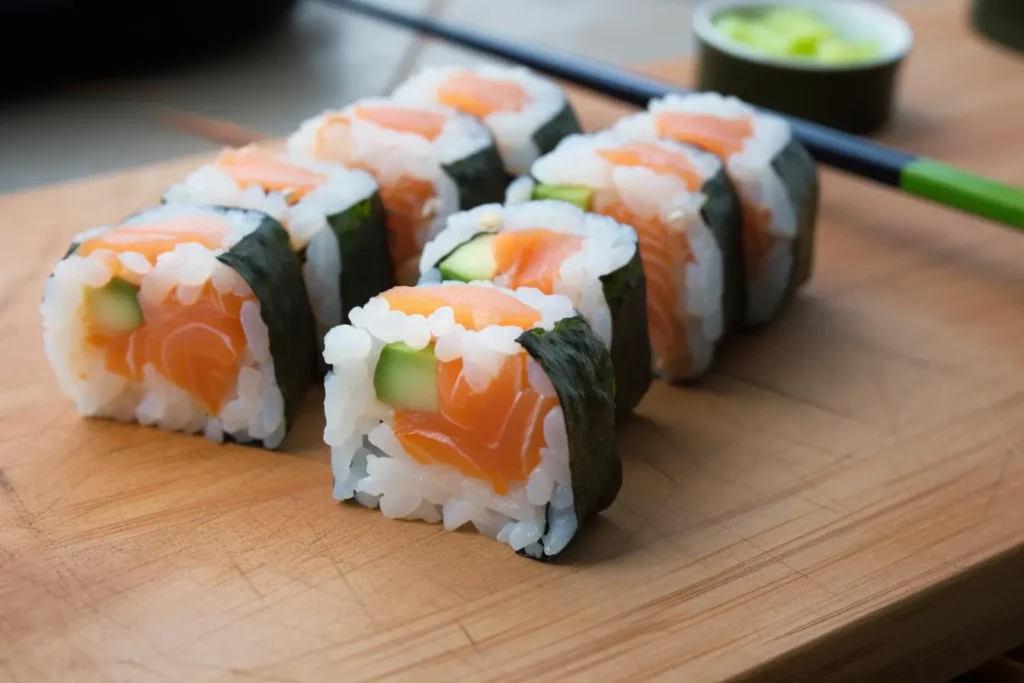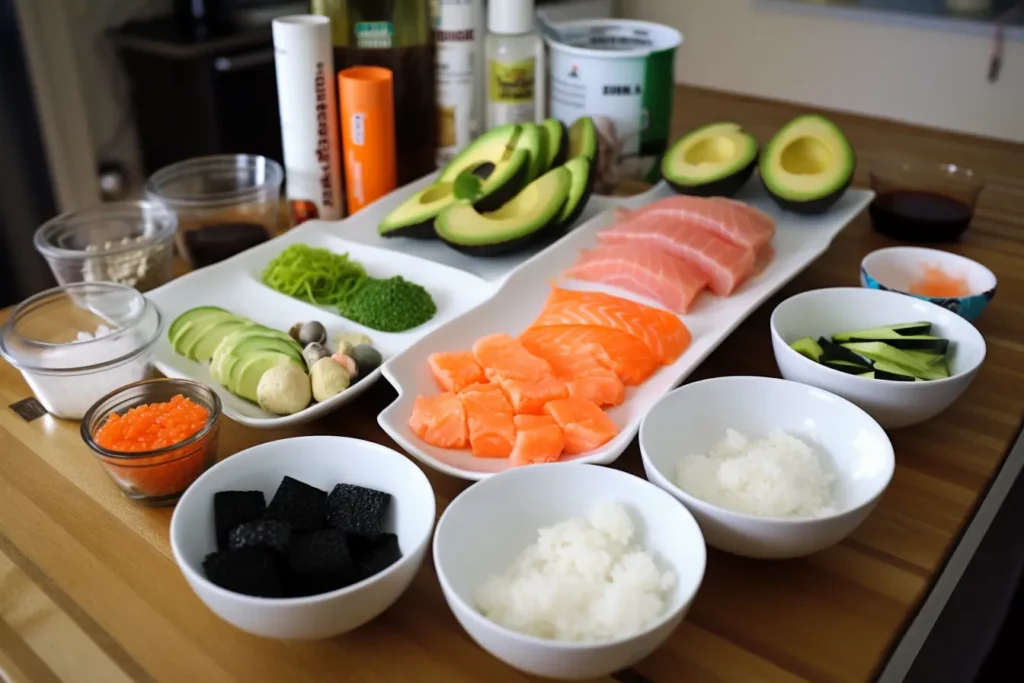
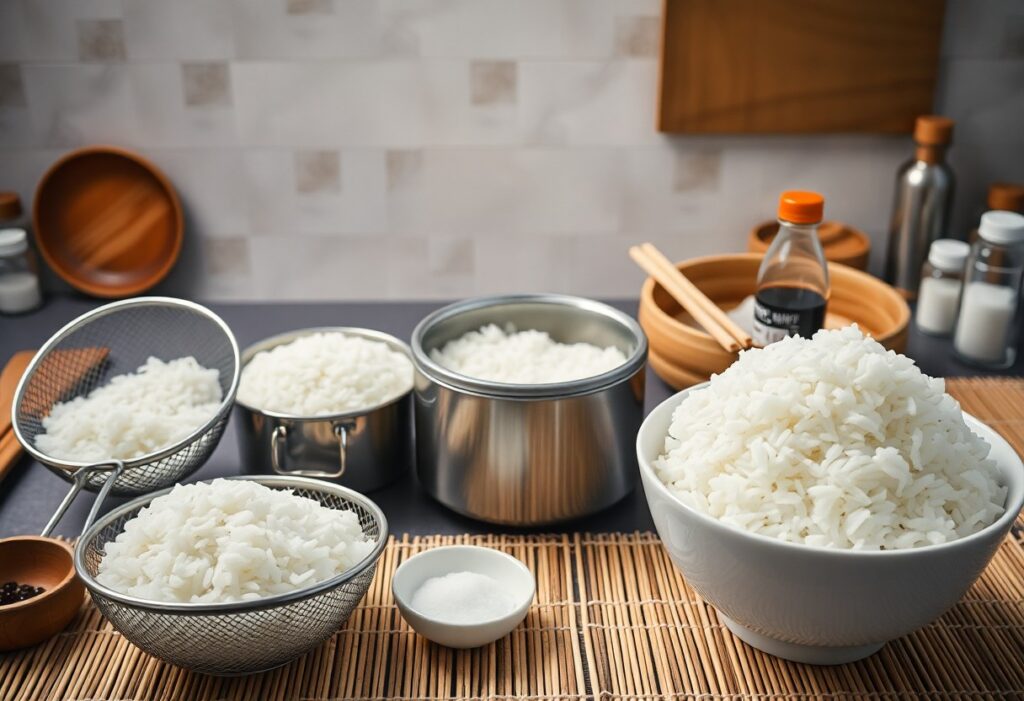
You’ll learn how to season perfect, sticky sushi rice with the exact amount of water, thorough washing, and sushi vinegar in five steps; pay attention to food safety with raw fish. For detailed instructions, see Sushi Rice Cooking Guide | Takori.
Key findings:
- Wash the rice thoroughly until the water runs clear and soak for about 30 minutes for an even consistency.
- Correct rice-water ratio and gentle boiling/steaming and then let it rest for 10-15 minutes for perfect texture.
- Dissolve sushi vinegar (rice vinegar, sugar, salt) hot, fold into warm rice and cool with fans for shine and stickiness.
The choice of grain
Rice variety
Choose real sushi rice (short-grain, japonica); you benefit from creamy binding and proper texture that carries nori and wasabi.
Quality & Storage
Make sure rice is fresh; old or incorrectly stored grains provide a drier, crumbly result that destroys the restaurant feel.
The art of washing
Why it matters
Note that rinsing thoroughly will remove excess starch from the rice, preventing sticky lumps. You should wash until the water is close to clear , but avoid overwashing or too much starch will be lost.
How to proceed
Rinse the rice gently in cold water, move it with your hand and repeat three to five times; make sure that the grain is even and that it is not soaked for too long, so that the result is closer to the restaurant standard.
The perfect ratio
Water Ratio
Ideally, you should use a ratio of rice to water of 1:1.1 (weight) so that the grains remain firm to the bite. Too much water makes the rice mushy and ruins the structure.
Vinegar Ratio
When seasoning, pay attention to the ratio of rice to vinegar: about 0.08-0.12 parts vinegar per part rice so that the flavor remains balanced .
The cooking process
Cooking
Start with thoroughly washed rice and the exact water ratio; bring it to a boil briefly, then reduce the heat and let it steep with the lid closed. Do not stir or open the lid while cooking, or the texture will suffer.
Steaming & Seasoning
After cooking, let the rice steam quietly for at least 10 minutes, then carefully pick it up with a wooden spatula. For the classic dressing, see Sushi Rice – Basic Recipe for Japanese Sticky Rice.
The spice
Vinegar, sugar, salt
Important: Adjust the ratio of rice vinegar, sugar and salt to your taste, about 5:2:1 as a starting point; too much vinegar makes the rice sour, too little salt looks flat. You dissolve sugar and salt in warm vinegar so that the seasoning is evenly distributed.
Mixing and cooling
Eighth: Spread the seasoning over the still warm rice and cut and lift instead of stirring, fan the rice to cool quickly; so you can achieve shiny, sticky grains like in a restaurant.
Cooling and shine
Fast cooling
After mixing rice with vinegar, fan it and carefully cut it with a wooden spatula so that steam escapes and the grains are not crushed. By cooling down quickly , you prevent bacterial growth and maintain the basis for shine.
Maintain shine
Then continue with light fanning and avoid stirring vigorously; this keeps the surface shiny and the grains loose. Be sure to bring the rice to room temperature within one to two hours .
Cooking sushi rice correctly – in 5 steps to the restaurant result
You wash the rice until the water runs clear; lets it swell for 30 minutes; measures an accurate water-to-rice ratio; cook gently and let the rice rest for 10 minutes after cooking; season warm with sushi vinegar, sugar and salt and fan it loosely.
If you follow these five steps – washing, swelling, the right ratio, gentle cooking and vinegar tuning – you will achieve a sticky, shiny sushi rice like in a restaurant.
FAQ
Q: What rice should I use for sushi to achieve a restaurant result?
A: Use high-quality short-grain Japanese sushi/japonica rice (e.g., koshihikari) or short-grain rice clearly labeled as “sushi rice.” It has the right strength and adhesive property; Long-grain or parboiled rice does not provide the typical texture. Buy freshly bottled rice and store it in a dry and airtight place.
Q: How and how long do you have to wash and soak sushi rice?
A: Wash the rice thoroughly several times (4-8×) in cold water, rubbing it with your hands until the wash water runs clear. After that, let the rice soak for 20-30 minutes (in cold water), up to 45-60 minutes in colder environments. Soaking ensures even hydration and better consistency when cooking.
Q: What is the best water ratio and cooking method?
A: Use a rice:water ratio of about 1:1.1-1.2 (volume) or just over 1:1 by weight, depending on the quality of the rice. On the stove: bring to a boil without a lid, then immediately put on a low heat and simmer for 12-15 minutes; then let it rest for 10-15 minutes, covered (do not open). Use the default setting in the rice cooker; in the pressure cooker, the recommended time for rice. Adjust the exact timing to the respective rice.
Q: How do I prepare the sushi vinegar mixture and how do I mix it properly into the rice?
A: For about 300 g of raw rice (about 600 g of cooked rice) as a rule of thumb: 120 ml of rice vinegar, 60 g of sugar, 12 g of salt. Slightly warm and dissolve the sugar and salt in the vinegar (do not boil strongly), then cool. Place the hot rice in a shallow wooden or large bowl (hangiri/handai), drizzle the vinegar evenly over it. Cut with a wooden spatula and gently fold in (do not stir), “cutting and turning” the rice to separate the grains. At the same time, cool quickly with a fan or fan so that the rice shines and the moisture settles properly.
Q: How do I serve and store sushi rice to get the best texture?
A: Serve sushi rice lukewarm to room temperature (not hot). Cover with a damp cloth between steps of use to prevent drying out. Do not store open in the refrigerator as cold and humidity will destroy the texture; if necessary, refrigerate only briefly (max. 24 hours) and steam/shake lightly before use. For restaurant quality: precise amount of water, correct soaking, gentle mixing with sushi vinegar and quick cooling – as well as immediate use after preparation.